
Spring is the season of renewal in the garden. As plants begin to wake from their winter slumber, it’s time to get outside, roll up your sleeves, and prepare your beds, borders, and lawns for the growing season ahead. Having the right tools at hand makes all the difference, turning hard work into a joy. Here are our top picks to help you tackle the most common springtime gardening tasks with ease.
1. Turn Your Soil – Use a Fork
Before you plant anything, careful soil preparation is key. A garden fork is the perfect tool for turning over beds, borders, and vegetable plots. It helps to aerate compacted soil, making it easier for roots to grow and for nutrients to penetrate. It also allows you to remove stubborn weeds while incorporating organic matter such as well-rotted manure and compost, enriching the soil for healthier plants.
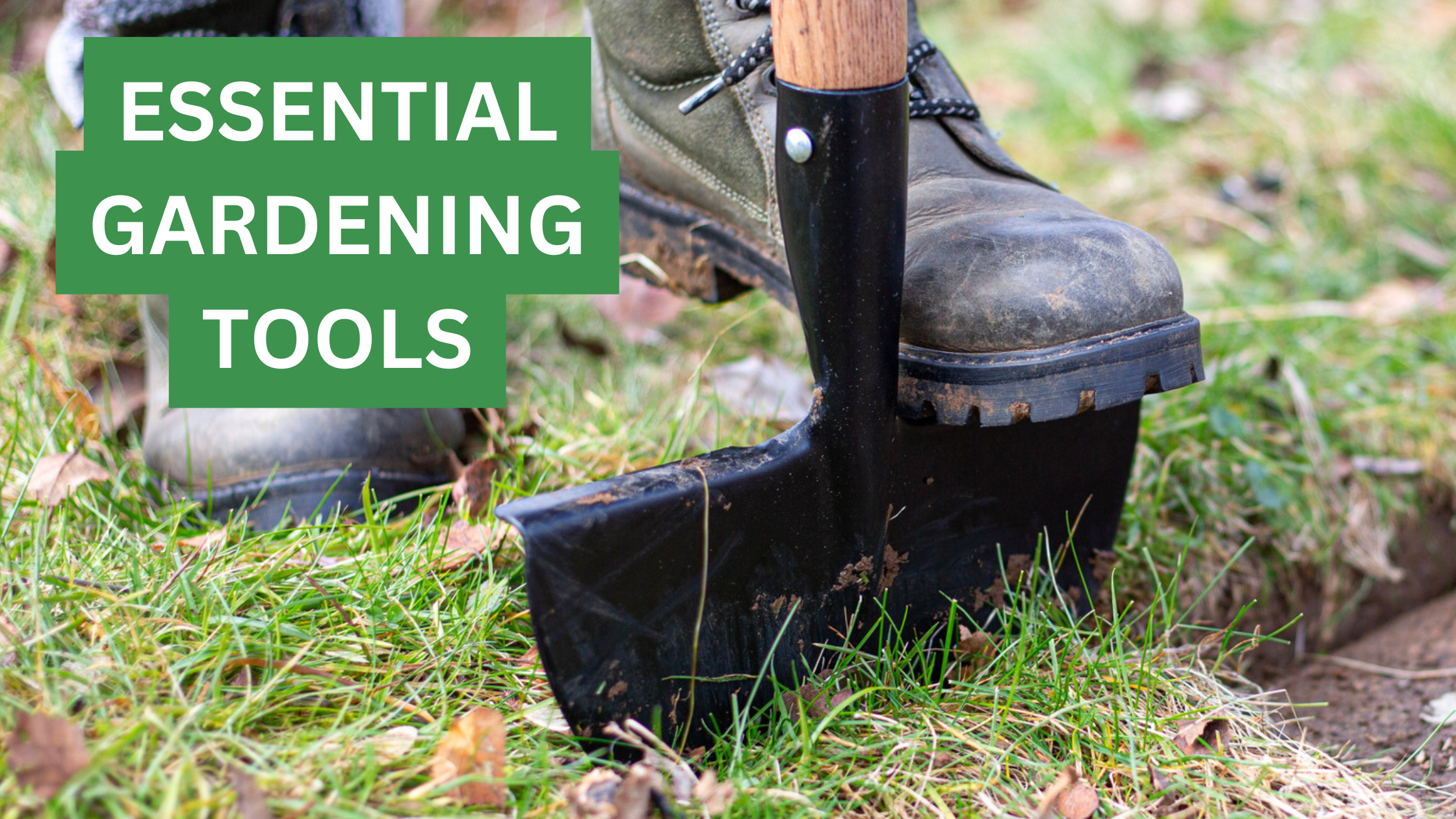
2. Smarten Up Border Edges – Use an Edging Iron
Winter can leave your garden looking a little untidy, especially where grass and weeds have crept into borders. An edging iron is a must-have for restoring clean, crisp edges to flower beds and lawns. A few quick cuts with this tool will redefine your garden’s shape and give it a professionally manicured look.
3. Plant Up Beds and Borders – Use a Spade
A strong, reliable spade is an essential tool for any gardener. Whether you’re digging over new planting areas or transplanting established plants, a spade makes light work of these tasks. Choose one with a sturdy handle and a durable blade to handle even the toughest digging jobs with ease.
4. Divide Perennials – Use a Perennial Spade
Spring is the ideal time to divide perennials, giving you more plants for free and ensuring healthier growth. A perennial spade, with its pointed head, is perfect for slicing through root systems cleanly, making it easier to separate plants without unnecessary damage.
5. Get Set for Planting – Use a Trowel
For smaller planting tasks such as bedding plants, young vegetables, and container gardening, a good trowel is invaluable. Choose one with a pointed tip for easy penetration into the soil. Some models come with a serrated edge for tackling weeds and opening compost bags, and even a hammer feature for inserting plant supports and canes.
6. Remove Tough Branches – Use Loppers
When pruning trees and shrubs, you’ll often come across branches too thick for secateurs. This is where loppers come in. With their long handles and powerful cutting mechanism, they make trimming larger branches effortless. There are two main types to choose from: Anvil loppers, which are ideal for cutting back dry, woody stems on fruit trees or dense bushes, and Bypass loppers, which provide a cleaner cut on green growth, making them perfect for pruning live stems.
7. Clear Moss and Debris – Use a Lawn Rake
After the first few lawn cuts of the season, moss, leaves, and loose debris can build up, preventing healthy growth. A lawn rake is ideal for clearing this away, allowing more light, air, and water to reach the grass, resulting in a healthier, greener lawn.
8. Tidy Up Shrubs – Use Secateurs
Shrubs and bushes can look a little worse for wear after winter. A good pair of secateurs will help you remove dead or damaged branches, encourage healthy new growth, and keep plants looking neat. There are two types to consider: Anvil secateurs, which are best for chopping back dry, woody stems, and Bypass secateurs, which provide precise cuts for pruning, trimming back, and deadheading green shoots and stems. The scissor-like action of bypass secateurs ensures a clean cut that promotes healthy regrowth.
With these essential tools in your gardening kit, you’ll be well-equipped to tackle springtime tasks with confidence. Visit us at Birchgrove Garden Centre to explore our range of high-quality gardening tools and get expert advice on how to make the most of your outdoor space this season.