
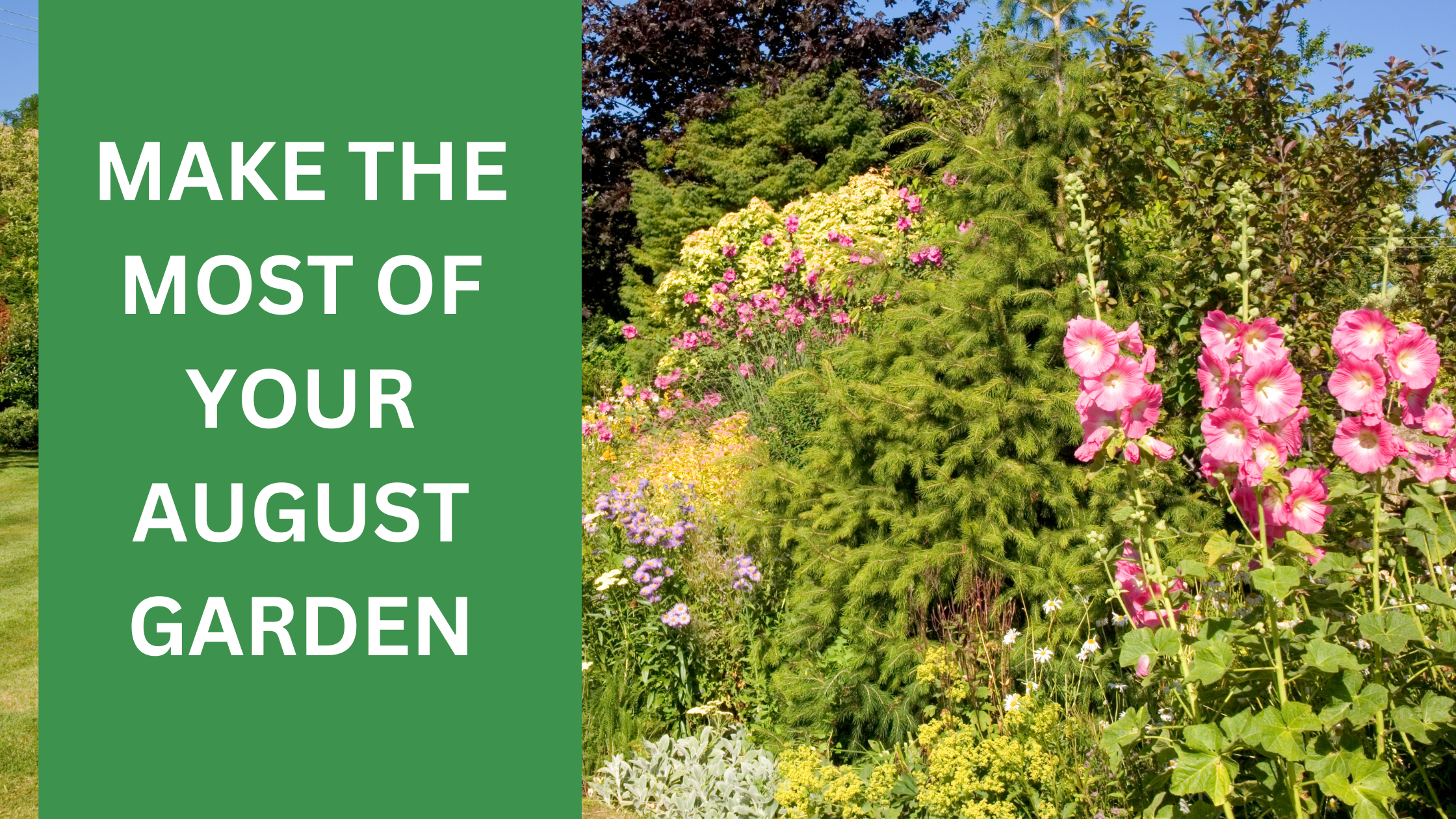
August is a month for enjoying the garden at its fullest. Borders are bursting with colour, vegetable plots are producing plenty to harvest and containers and hanging baskets are still putting on a show.
However, high temperatures, dry ground and plants beginning to tire after weeks of flowering can mean the garden needs a little extra attention.
With an Anglian Water hosepipe ban currently in force across our area, using water wisely is particularly important this summer. Thankfully, you don’t need to spend every waking moment trudging around with a watering can. A few carefully chosen jobs will help keep your garden colourful, productive and healthy throughout August, while also preparing it for the months ahead.
Water wisely during the hosepipe ban
Under the current restrictions, hosepipes, sprinklers and other equipment connected to a hosepipe must not be used for watering gardens, plants or lawns unless a specific exemption applies.
Watering cans and buckets can still be used, but it makes sense to concentrate your efforts where the water will make the greatest difference.
Prioritise:
- Containers and hanging baskets
- Fruit and vegetables
- Young plants and seedlings
- Anything planted recently
- Plants showing clear signs of stress

Established trees, shrubs and perennial plants growing in the ground are generally more resilient and should not need regular watering unless they begin to struggle.
Water directly around the base of each plant, ideally early in the morning or later in the evening when less moisture will be lost through evaporation. A thorough drink for priority plants is more beneficial than lightly sprinkling water over a larger area.
Adding a layer of mulch around plants can also reduce moisture loss and help keep the roots cooler. Bark, compost and other suitable mulching materials will all help the soil retain water for longer.
Suitable household water can also be reused in the garden. Water collected while waiting for a tap or shower to run warm is ideal, while cooled water used to cook or rinse vegetables may also be suitable, provided it doesn’t contain salt, detergent or cleaning products.
You can find full details of the current restrictions and exemptions on the Anglian Water website.
Don’t worry about a brown lawn
It can be tempting to try to keep the lawn looking green during prolonged dry weather, but established grass is tougher than it looks.
A lawn may turn brown and appear dormant during a hot, dry spell, but it will usually recover once cooler weather and rainfall return. There is no need to use precious water trying to keep it green.
Raise the blades on your mower so the grass remains slightly longer, mow less frequently and leave the box of lawn feed in the shed until rain is reliably forecast. Cutting the lawn too short will place it under additional stress and expose the soil to more heat.
In other words, let the lawn have a sulk. It will get over it.
Keep summer flowers coming
Many summer-flowering plants will continue producing blooms well into autumn if faded flowers are removed regularly.
Deadheading prevents plants from putting all their energy into producing seeds and encourages them to produce more flowers instead. Roses, dahlias, cosmos, geraniums, petunias and many other summer favourites will all benefit.
Hanging baskets and containers may also need regular feeding during August. Frequent watering gradually washes nutrients out of the compost, so applying a suitable liquid feed can help keep displays colourful and healthy for longer.
However, you don’t need to deadhead absolutely everything. Leaving some seed heads in place provides food for birds later in the year and can add structure and interest to the autumn garden.
Give pots and hanging baskets some extra attention
Containers and hanging baskets work particularly hard during summer and may begin to look a little tired by August.
Remove dead or damaged foliage, trim back straggly growth and replace any plants that have completely finished flowering. A little light maintenance can transform a display without requiring you to start again from scratch.
Check the compost below the surface before watering. A brief summer shower may wet the leaves and the very top of the compost without enough moisture reaching the roots.
If a container has become extremely dry, add water gradually using a watering can. This gives it time to soak into the compost rather than immediately running across the surface and out through the bottom.
Grouping containers together can help create a slightly more humid environment and reduce moisture loss. If possible, move particularly vulnerable pots out of intense afternoon sun during periods of extreme heat.
Enjoy the August harvest
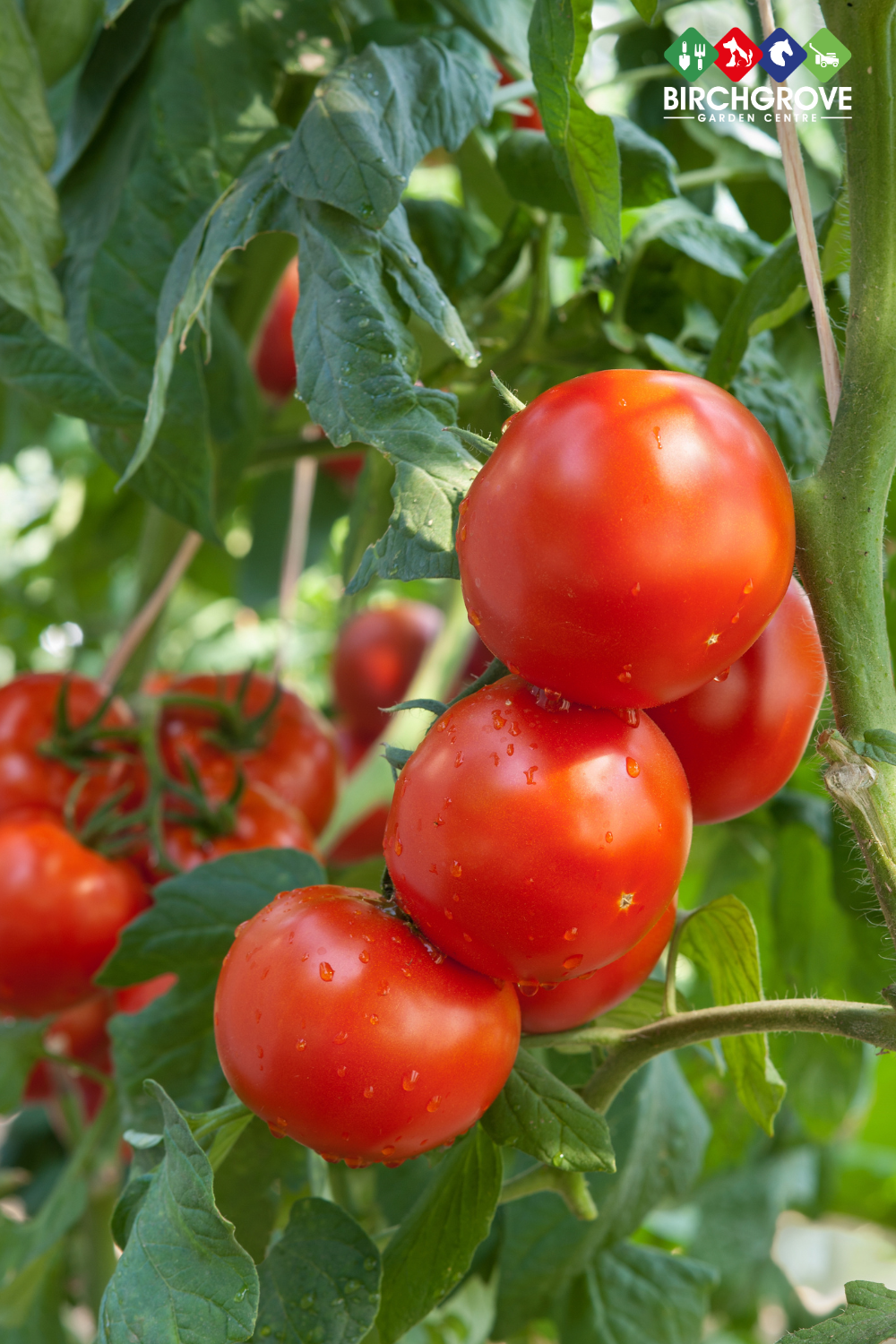
August is one of the most rewarding months in the fruit and vegetable garden, with tomatoes, courgettes, runner beans, cucumbers, sweetcorn, berries and many other crops ready to harvest.
Pick vegetables regularly while they are young and tender. Runner beans and courgettes can become enormous remarkably quickly if left unattended, and regular picking usually encourages plants to keep producing.
Tomatoes benefit from consistent watering. Allowing them to dry out completely and then giving them a large amount of water can contribute to fruit splitting. Concentrate the available water around the roots, remove yellowing lower leaves and continue feeding according to the instructions on your chosen tomato feed.
Herbs such as basil, mint, parsley and chives can also be harvested regularly. Use them fresh, freeze them or dry them to enjoy later in the year.
If you’re fortunate enough to have more produce than you can use, consider sharing it with neighbours, friends or family. There are only so many courgettes one household can reasonably be expected to cope with.
Sow now for later crops
August may feel like the height of summer, but it is also time to begin thinking ahead.
Fast-growing crops such as radishes, rocket, salad leaves and spinach can still be sown for harvesting later in the season. Depending on the variety and growing conditions, you can also begin sowing or planting vegetables for autumn and winter crops.
Before sowing large amounts, consider whether you will be able to keep young seedlings watered with a watering can during the current restrictions. It may be better to sow smaller quantities and concentrate on looking after them well.
Keep newly sown seeds and young plants moist while they establish and provide some temporary shade if conditions are exceptionally hot.
Collect seeds and plan for spring
As flowers begin to fade, August is a good time to collect seeds from favourite garden plants.
Choose healthy plants and gather the seeds on a dry day. Allow them to dry before storing them in labelled paper envelopes somewhere cool and dry. Remember to include the plant name and date, unless you fancy playing an exciting game of botanical roulette next spring.
You can also begin planning next year’s display. Spring-flowering bulbs will soon be arriving in garden centres, including daffodils, crocuses, alliums and tulips.
There is no need to plant everything immediately, but looking around the garden and identifying any gaps now will make it easier to plan your spring colour.
Keep an eye on pests and diseases
Warm weather can encourage pests such as aphids, spider mites, slugs and snails, so check plants regularly, including the undersides of leaves.
Removing a small number of pests by hand or dealing with an affected area early can prevent a minor problem from spreading throughout the plant.
Clear away badly damaged or diseased leaves and avoid leaving them around the base of plants. Keep greenhouses well ventilated during hot weather and check greenhouse plants regularly, as pests can multiply quickly in warm, sheltered conditions.
Look after garden wildlife
Hot, dry weather is challenging for birds, insects and other garden visitors too.
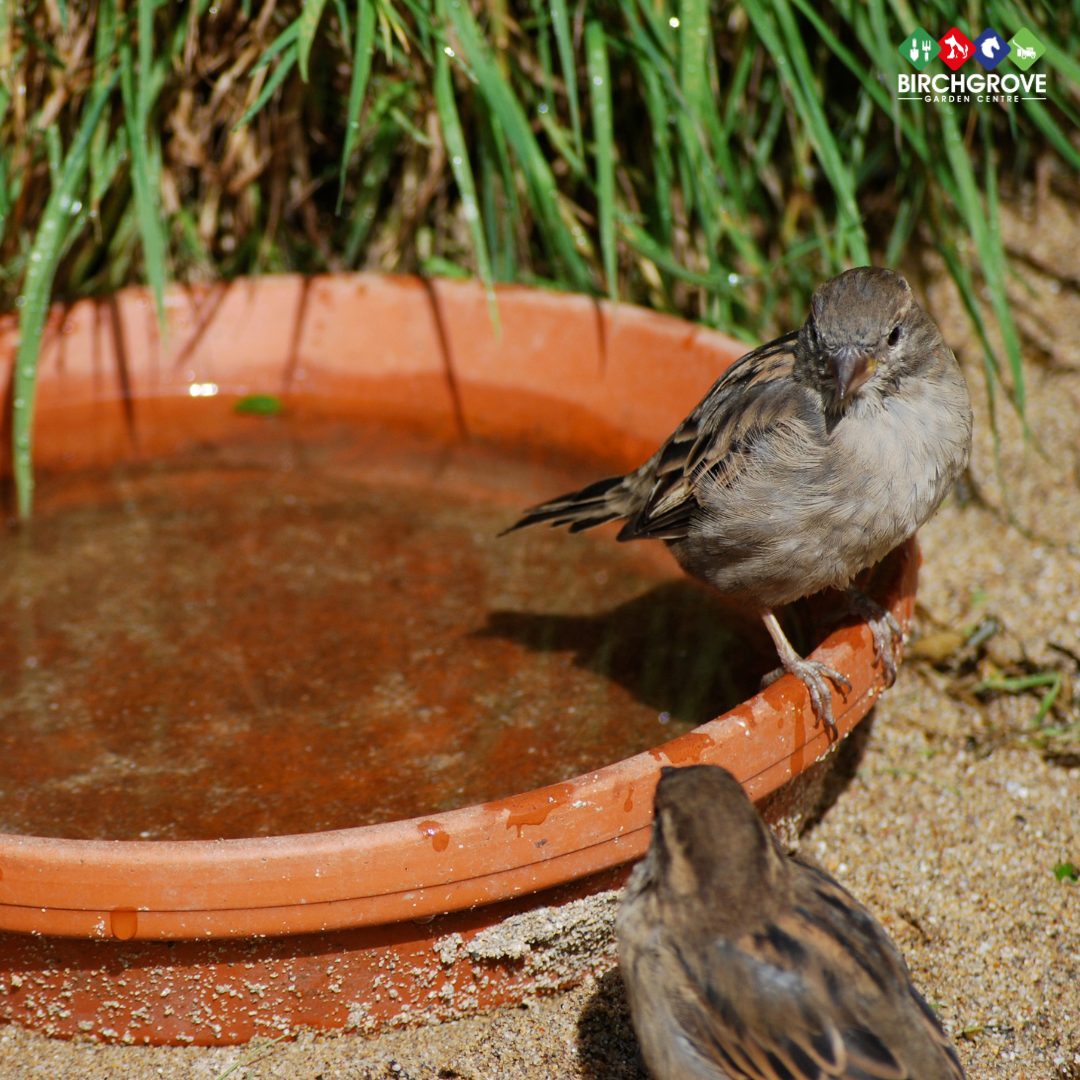
Although water should be used carefully, keeping a small bird bath or shallow drinking dish topped up can provide an important lifeline during extreme heat. Clean it regularly and add a few stones so bees and other insects have somewhere safe to land while drinking.
Ponds and water features can lose water surprisingly quickly in warm weather, so keep an eye on their levels. Collected rainwater is preferable when topping up a pond, if you have some available.
Leaving seed heads, areas of slightly longer grass and a few less tidy corners provides food and shelter for wildlife. A perfectly manicured garden is not always the most wildlife-friendly one, so this is one occasion when doing a little less can genuinely be helpful.
Make the most of your August garden
August gardening is largely about keeping everything going while enjoying the results of the work you have already put in.
Use water thoughtfully, concentrate on the plants that need it most, keep harvesting and deadheading, and begin looking ahead to autumn and spring.
Most importantly, remember to spend some time sitting in the garden and enjoying it. Preferably somewhere shady, with a cold drink close at hand.
For plants, pots, feeds, watering cans, water-saving products, wildlife essentials and plenty of friendly advice, visit us at Birchgrove Garden Centre.